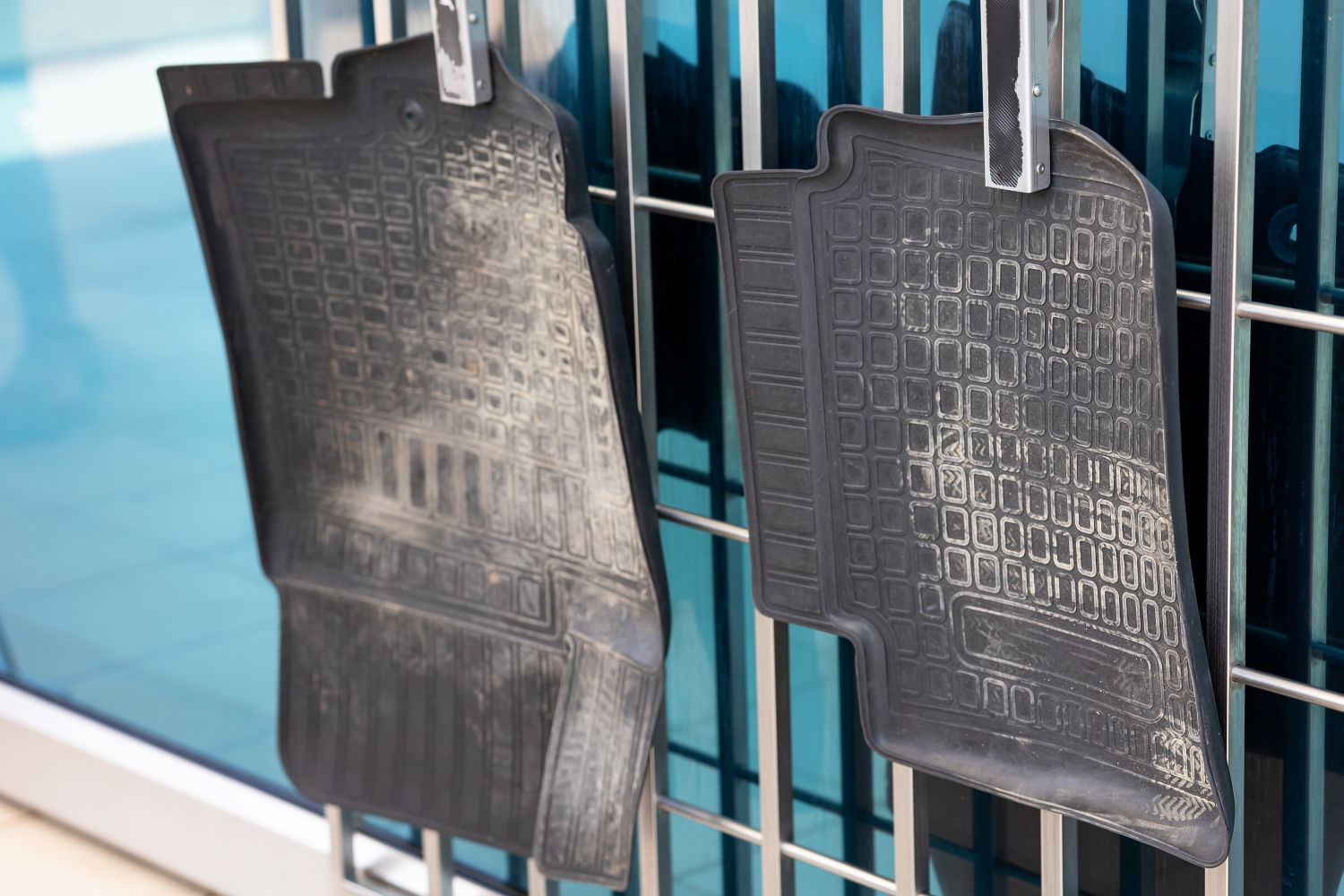
Car floor mats are often overlooked accessories, yet they play a crucial role in maintaining the cleanliness and functionality of your vehicle. Whether you’re looking to protect your car’s interior, enhance its appearance, or improve safety, understanding the different types of floor mats and their benefits is essential. This article will guide you through everything you need to know about car floor mats, including their types, materials, care, and installation.
1. Importance of Car Floor Mats
Protection from Dirt and Debris
Car floor mats are designed to protect your vehicle’s flooring from dirt, mud, spills, and other debris. They act as a barrier, preventing these substances from damaging the original carpet and making it easier to clean.
Enhance Safety
Floor mats can improve safety by providing a non-slip surface for your feet. They help prevent slippage, especially in wet conditions, and can keep the driver’s foot area clear of clutter, reducing the risk of accidents.
Aesthetic Appeal
In addition to their protective qualities, floor mats can enhance the overall appearance of your vehicle’s interior. With various designs, colors, and materials available, you can choose mats that complement your car’s style and personal taste.
2. Types of Car Floor Mats
2.1. Carpet Mats
Description: Carpet mats are made from soft, plush materials that provide a luxurious feel. They are often available in a variety of colors and styles, making them a popular choice for enhancing the aesthetic of the vehicle.
Pros:
- Comfortable and visually appealing.
- Available in custom designs and colors to match the interior.
Cons:
- May not be as durable as rubber mats.
- More susceptible to staining and wear from heavy use.
2.2. Rubber Mats
Description: Rubber mats are durable and waterproof, making them ideal for protecting against spills and heavy dirt. They are often used in vehicles that experience harsh weather conditions or rugged use.
Pros:
- Highly durable and easy to clean.
- Excellent protection against water, mud, and snow.
Cons:
- May lack the plush feel of carpet mats.
- Limited aesthetic options compared to carpet mats.
2.3. All-Weather Mats
Description: All-weather mats are designed to withstand varying conditions, providing superior protection against dirt, moisture, and wear. They are typically made from heavy-duty rubber or thermoplastic materials.
Pros:
- Excellent protection in all weather conditions.
- Custom-fit options available for many vehicle makes and models.
Cons:
- Can be more expensive than standard mats.
- May not have the same aesthetic appeal as carpet options.
2.4. Custom-Fit Mats
Description: Custom-fit mats are tailored specifically to the dimensions of your vehicle’s floor. They provide maximum coverage and protection, ensuring a snug fit that won’t shift or slide.
Pros:
- Designed for a perfect fit, offering comprehensive protection.
- Often made from high-quality materials that enhance durability.
Cons:
- Typically more expensive than universal mats.
- Limited to specific vehicle models and makes.
3. Materials Used in Car Floor Mats
3.1. Nylon
Nylon is a common material for carpet mats due to its durability and resistance to wear. It can withstand heavy foot traffic and is often treated to resist stains.
3.2. Polypropylene
Polypropylene is a synthetic material used in both carpet and rubber mats. It is lightweight, resistant to moisture, and easy to clean, making it a popular choice for all-weather mats.
3.3. Rubber
Natural rubber or synthetic rubber is often used for all-weather and rubber mats. It provides excellent waterproofing and durability, making it suitable for various environmental conditions.
3.4. Thermoplastic
Thermoplastic elastomers are used in premium all-weather mats for their flexibility and resistance to wear. They are often molded to create custom-fit designs, offering superior protection and ease of cleaning.
4. Care and Maintenance
Regular Cleaning
To maintain the appearance and functionality of your floor mats, regular cleaning is essential. For carpet mats, vacuuming and spot cleaning with mild detergent can help remove stains and dirt. Rubber mats can be hosed down or wiped clean with a damp cloth.
Seasonal Maintenance
During seasonal changes, especially in winter or rainy months, it’s important to check your mats for wear and tear. Replace any damaged mats to ensure maximum protection for your vehicle’s interior.
Inspection for Safety
Regularly inspect your floor mats to ensure they are securely in place and not interfering with the pedals. Mats that slide or shift can pose a safety risk while driving.
5. Installation Tips
Proper Fit
Ensure that your floor mats fit correctly in your vehicle. If using universal mats, trim them as needed to achieve a snug fit. Custom-fit mats should be aligned according to the manufacturer’s specifications.
Secure Fastening
Some mats come with clips or retention systems to keep them in place. Make sure these are properly installed to prevent shifting while driving.
Layering
Avoid layering mats, as this can interfere with the fit and function of the mats and may create safety hazards. Always use one mat per area for optimal performance.
Conclusion
Car floor mats are essential accessories that protect your vehicle’s interior while enhancing its aesthetic appeal. By understanding the different types of mats, materials used, and proper care techniques, you can make informed decisions that best suit your needs. Whether you opt for plush carpet mats or durable all-weather options, choosing the right floor mats will help maintain the cleanliness and safety of your vehicle for years to come. Embrace the benefits of quality floor mats and enjoy a more comfortable driving experience!