
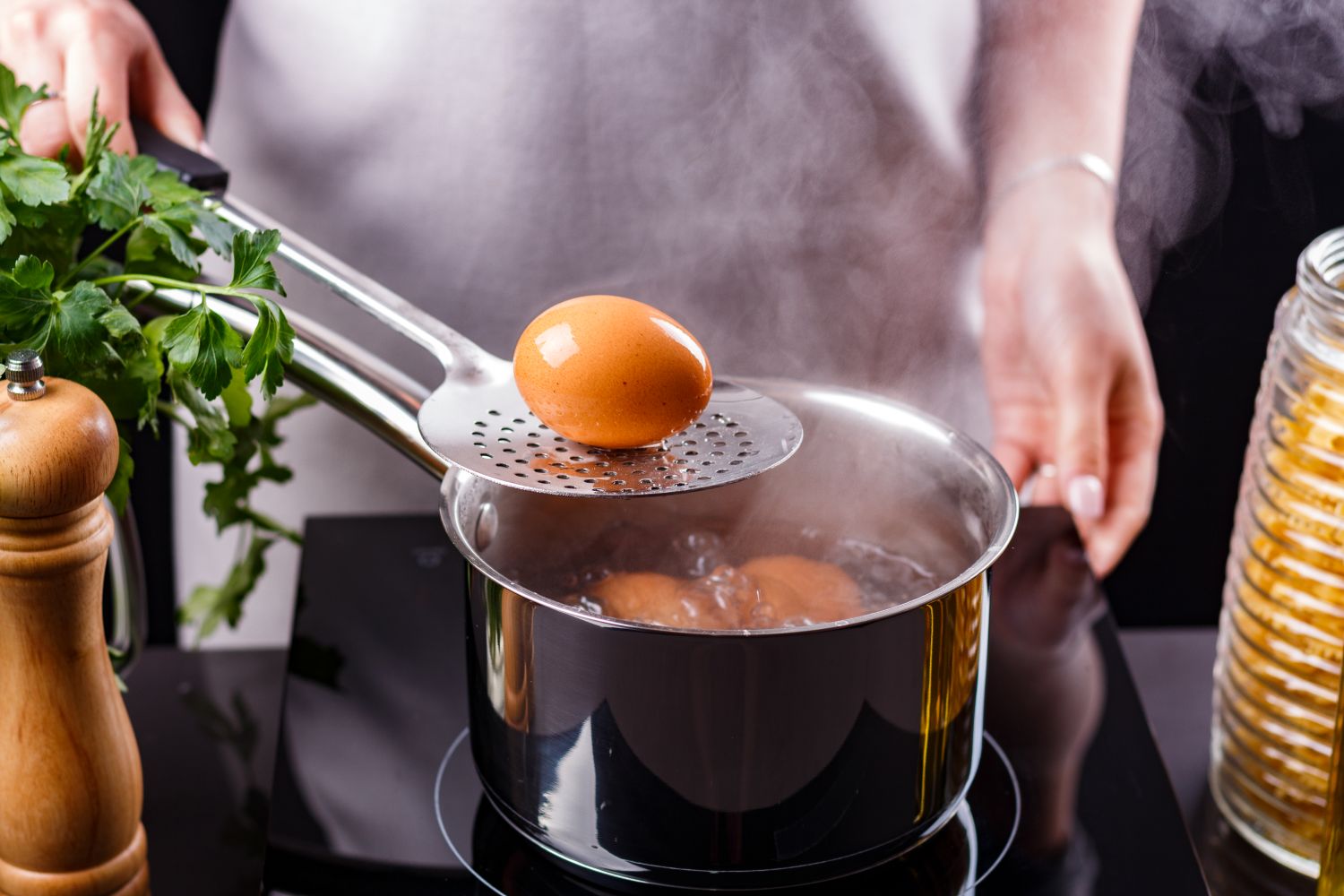
Boiling eggs may seem like a simple task, but achieving the perfect boiled egg—whether you prefer it soft, medium, or hard-boiled—requires a bit of technique. The good news is that with a few effortless tips, you can master the art of boiling eggs and enjoy them in various dishes or as a nutritious snack. Here’s a comprehensive guide to help you boil eggs to perfection every time.
1. Choosing the Right Eggs
Fresh vs. Older Eggs
- Fresh Eggs: Fresh eggs are great for frying or poaching but can be challenging to peel when boiled. If you’re looking to make hard-boiled eggs, consider using slightly older eggs (about a week old) as they are easier to peel after cooking.
- Check for Freshness: You can check the freshness of eggs by placing them in a bowl of water. Fresh eggs will sink, while older eggs will float.
2. Preparing the Eggs
Bring Eggs to Room Temperature
To reduce the risk of cracking during boiling, let your eggs sit at room temperature for about 30 minutes before cooking. This helps them heat evenly and reduces temperature shock when placed in boiling water.
Poke a Hole (Optional)
Some people recommend using a pin to poke a small hole in the wider end of the egg. This can help release air and prevent cracking during boiling, and may also make peeling easier.
3. The Boiling Process
Start with Cold Water
Place your eggs in a saucepan and cover them with cold water. Ensure there is enough water to cover the eggs by about an inch. Starting with cold water helps to prevent cracking and allows for even cooking.
Bring to a Boil
- Medium Heat: Heat the saucepan on medium-high until the water reaches a rolling boil.
- Timing is Key: Once the water boils, reduce the heat to a gentle simmer and start your timer based on your desired doneness:
- Soft-Boiled Eggs: 4-6 minutes for a runny yolk.
- Medium-Boiled Eggs: 7-9 minutes for a slightly firmer yolk.
- Hard-Boiled Eggs: 10-12 minutes for a fully cooked yolk.
Cover the Pot
Covering the pot while boiling helps to retain heat and cook the eggs more evenly.
4. Cooling and Peeling the Eggs
Ice Bath Method
Once your eggs are cooked to your liking, immediately transfer them to an ice bath (a bowl of ice water). This stops the cooking process and helps to cool the eggs quickly, making them easier to handle and peel.
Peeling Tips
- Tap and Roll: Gently tap the egg on a hard surface to crack the shell, then roll it lightly to create more cracks. This can help loosen the shell for easier peeling.
- Peel Under Running Water: Peeling the eggs under cold running water can help wash away any small bits of shell and make the process smoother.
5. Storing Boiled Eggs
Refrigeration
If you’re not eating the boiled eggs right away, store them in the refrigerator. Keep them in their shells to maintain freshness, and consume them within one week for the best quality.
Labeling
If you’ve boiled a large batch, consider labeling the container with the boiling date to keep track of freshness.
Conclusion
Boiling eggs to perfection doesn’t have to be a daunting task. By following these effortless tips—from selecting the right eggs to mastering the boiling and peeling process—you can enjoy perfectly cooked eggs every time. Whether you prefer them soft, medium, or hard-boiled, these techniques will help you achieve delicious results that can be enjoyed on their own, in salads, or as part of various dishes. Happy boiling!